
Happy February!

February is Heart Health Awareness Month
How to Prevent a Heart Attack
The best way to survive a heart attack is to never have one. How can you prevent becoming one of the millions of Americans who suffer a heart attack? There is actually a lot you can do to protect your heart. Knowing the risks and symptoms of heart disease is a good start.
Key risk factors for heart disease are:
- High Cholesterol
- Hypertension
- Smoking
- Diabetes
- Unhealthy body weight
- Too much alcohol
- Lack of physical activity
Age is also a risk factor. Your risk for heart disease goes up as you age. In fact, heart disease is the leading cause of death in people 65 and older. There are lifestyle choices and changes you can make to lower your risk. When you control your risk factors, you help protect your heart. It’s easy to get started. Here are a few ideas:
- Eat healthy meals
- Add exercise to your life
- If you smoke, quit
Heart disease is the leading cause of death for men and women. The most common type of heart disease is coronary artery disease, which can lead to a heart attack. While some heart attacks are sudden and intense, others can start slowly with mild pain or discomfort. Often people aren’t sure what’s wrong and wait too long before getting help. Pay attention to any of the following warnings of a possible heart attack:
- Chest pain or discomfort
- Pain or discomfort in the jaw, neck or back
- Feeling weak, light-headed or faint
- Pain in arms or shoulder
- Shortness of breath
- Nausea (an extra symptom in women)
Talk with your health care provider. Ask about lifestyle, exercise and dietary changes you can make to cut your risks. Follow your doctor’s advice and take your medicines as directed. Most importantly, if you think you are having a heart attack, call 911 right away. Quick action helps save lives.
Read More
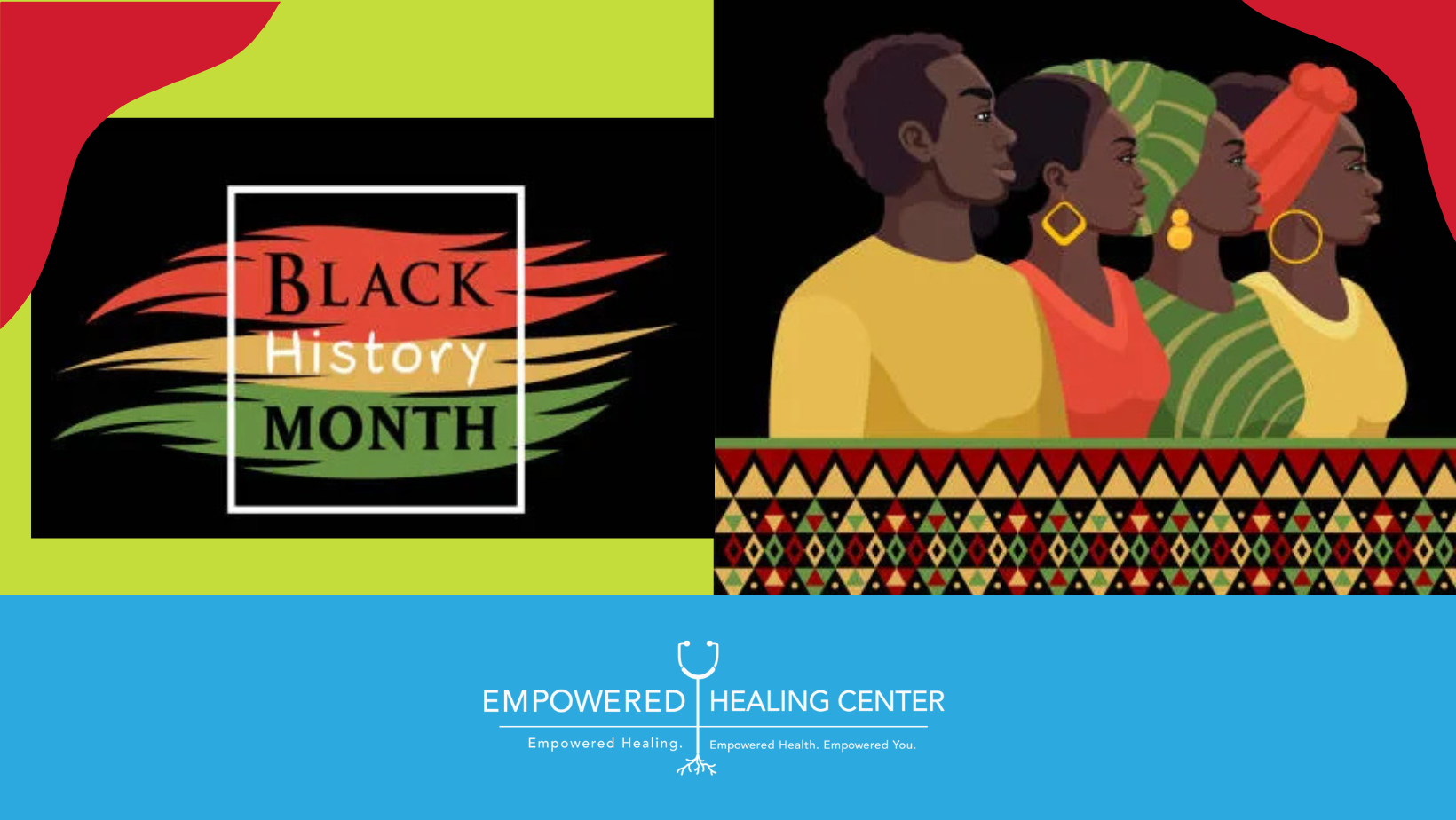
Black History Month
Black History Month, monthlong commemoration of African American history and achievement that takes place each February in the United States. It was begun in 1976. The idea for a Black History Month was first conceived by the historian Carter G. Woodson and members of his Association for the Study of Negro Life and History (now the Association for the Study of African American Life and History). Together they organized a Negro History Week, beginning in February 1926.
They selected the month of February for this celebration because it was close to the birthdays of U.S. Pres. Abraham Lincoln, who had been responsible for the Emancipation Proclamation, and the African American orator and abolitionist Frederick Douglass. During the next 50 years Negro History Week grew in popularity, with American cities initiating their own celebrations of Black achievements and with teachers—particularly in schools with a large percentage of African American students—using class time to discuss contributions to history made by notable African Americans.
The civil rights movement also contributed to its popularity. Negro History Week was expanded to become Black History Month in 1976, with U.S. Pres. Gerald Ford urging Americans to participate in its observance.
At the beginning of the 21st century, Black History Month was celebrated with a range of events at public schools, universities, and museums as well as within individual communities across the country. It was sponsored at the national level by such groups as the Library of Congress, the National Archives and Records Administration, the National Endowment for the Humanities, the National Gallery of Art, the National Park Service, the Smithsonlan Institution, and the United States Holocaust Memorial Museum.