Happy June!
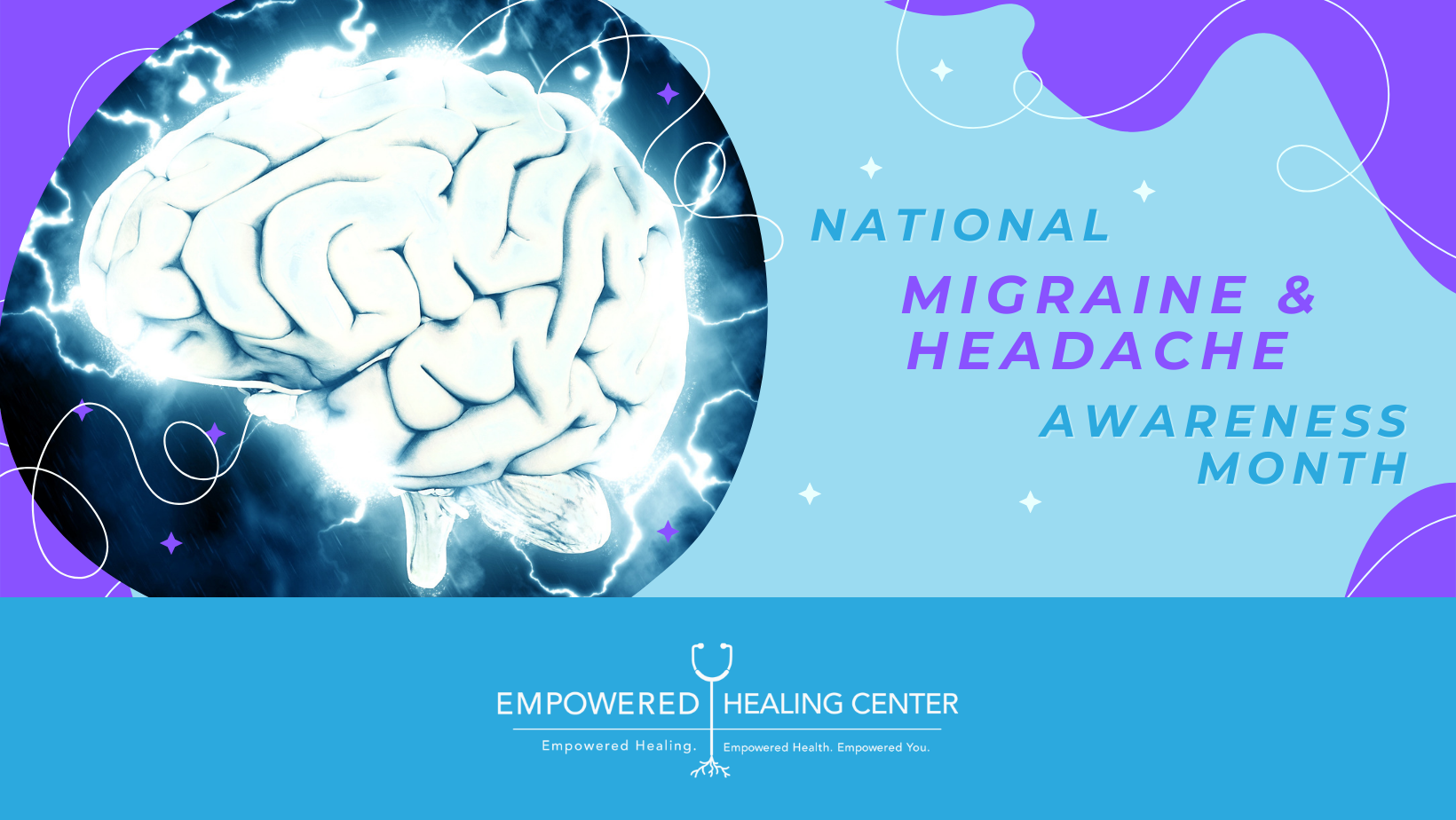
National Migraine & Headache Awareness Month
What is Migraine & Headache Awareness Month (MHAM)?
Every June, the community comes together to support those living with headache and migraine disease; and educate everyone about the significant impact of these disabling disorders.
Raising awareness and empowering advocacy about headache and migraine disease is critically important. Over 40 million in the U.S. have the quality of their lives impacted both personally and professionally. One in four U.S. households include someone living with migraine disease. Nine out of ten people with migraine reported they could not “function normally” during days in which a migraine strikes. Nearly 3 in 10 require bedrest.
Migraines are a neurological disorder characterized by recurrent episodes of intense, throbbing headaches, often accompanied by other symptoms such as nausea, vomiting, and sensitivity to light and sound.
Unlike typical headaches, migraines can significantly impair daily activities and last from 4 to 72 hours.
Headaches, on the other hand, are a common condition with pain in the head or face as the primary symptom. They can be primary, secondary, tension, or cluster headaches.
Awareness campaigns during this month highlight the importance of proper diagnosis and treatment for both migraines and headaches. They also emphasize the impact these conditions can have on a person’s quality of life, including disruptions to work, education, and social activities.
For those seeking information or support, resources and specialists are available to help manage these conditions effectively
Read More
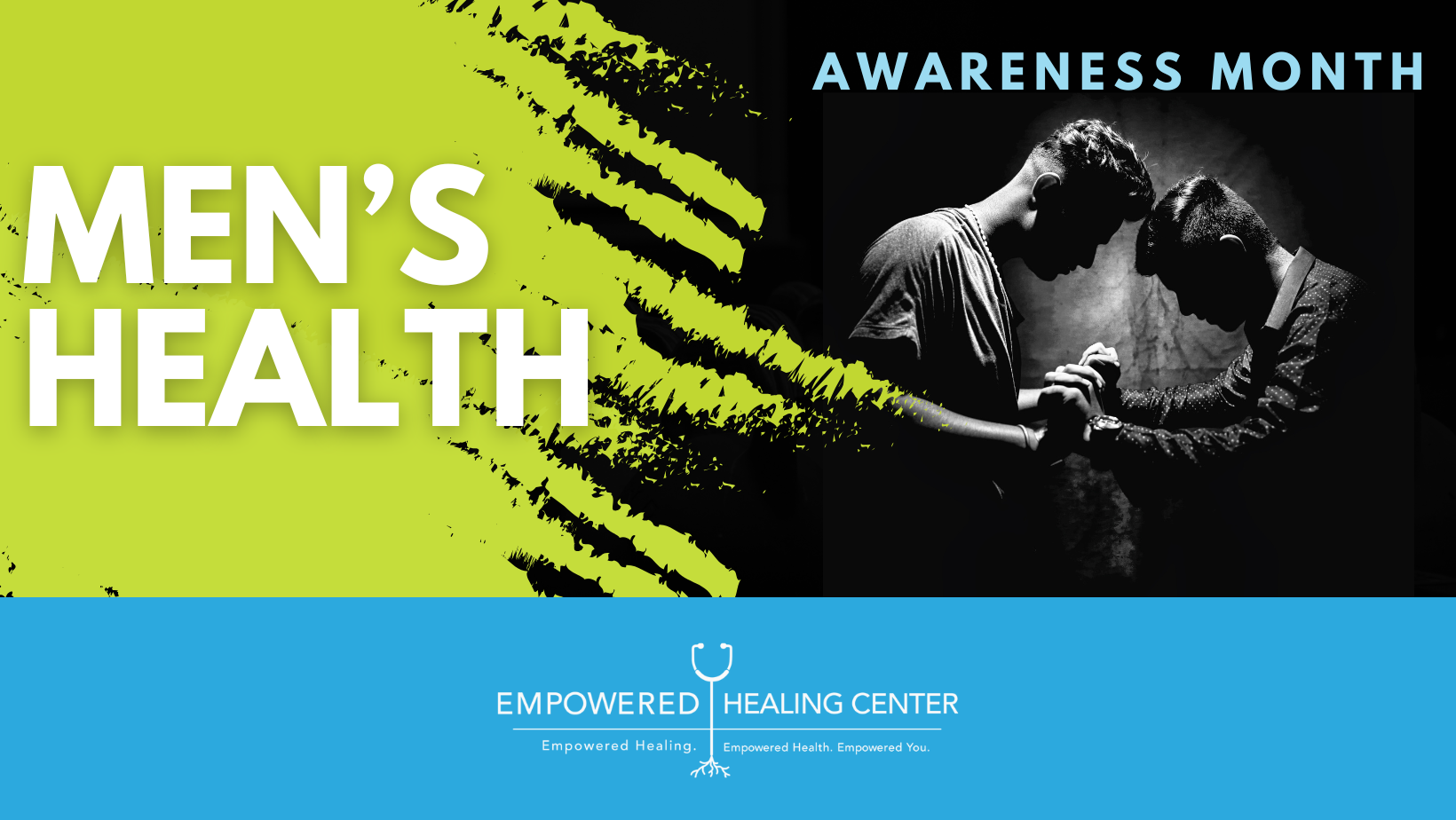
Men’s Health Month
Be Mindful of Your Mental Health
June is National Men’s Health Month, the perfect time to be aware and open about a subject that many guys would rather not talk about. Yet, that’s precisely why there is a silent epidemic in this country, and it’s probably impacting your family, co-workers, teachers, community members or friends. We’re talking about men’s mental health.
Rates of male depression and suicide have risen dramatically in recent years. According to the American Foundation for Suicide Prevention, men are almost four times more likely to die by suicide than women, and more than 6 million men in the U.S. experience symptoms of depression every year. Despite these sobering statistics, a recent survey revealed that 49% of men felt more depressed than they admitted to the people in their lives. Perceptions of weakness about requiring therapy, fears of social disapproval and cultural factors are some of the main barriers inhibiting men from seeking mental health assistance.
Men with depression often aren’t diagnosed for several reasons, including:
Failure to recognize depression.
Downplaying signs and symptoms.
Reluctance to discuss depression symptoms.
Resisting mental health treatment.
Notice the warning signs of depression. According to Families for Depression Awareness, signs of adult depression – which are changes from how the person usually is – may include:
Talking very negatively or expressing hopelessness.
Acting without concern for others.
Abusing alcohol or drugs.
Withdrawing from family and friends.
Problems concentrating, making decisions or remembering.
Talking suddenly about separation or divorce.
Complaining of physical aches and pains.
Eating too little or too much.
Sleeping too much or too little.
Everyone faces challenges and obstacles in life that can knock you down, but some difficulties can weigh heavier than others and become a mental illness. If you begin to notice some of the previously listed warning signs in yourself or others it might be time to get professional help. Organizations like Heads Up Guys offer free online depression self-check tools to help you identify warning signs.
Finally, it’s vital that all of us speak up and fight against stigma for the mental health of the men in our lives. We all have mental health, and we should all be able to talk about it when we’re facing difficult moments in life.
Read More