Happy September!

Pain Awareness Month
September is recognized as Pain Awareness Month in the United States, and by some organizations internationally. This month is dedicated to raising awareness about pain, its impact on individuals and society, and the importance of effective pain management. The goal is to promote better understanding of pain among healthcare professionals, individuals experiencing pain, their families, and the wider community.
The primary goal is to increase public understanding of pain, including the different types of pain (acute, chronic, neuropathic), its impact on daily life, and the challenges faced by those living with pain.
Pain Awareness Month provides opportunities to educate individuals about pain management strategies, resources, and available support systems.
It highlights the ongoing research efforts aimed at better understanding pain mechanisms and developing more effective treatments.
The month encourages open dialogues between individuals experiencing pain, healthcare professionals, researchers, policymakers, and the public to improve pain management and reduce the burden of pain.
It offers resources and support for individuals living with pain and their families, helping them navigate the challenges associated with pain and improve their quality of life.
Pain Awareness Month emphasizes the significant impact of pain on individuals, healthcare systems, and society, including its contribution to disability, lost productivity, and healthcare costs.
Read More
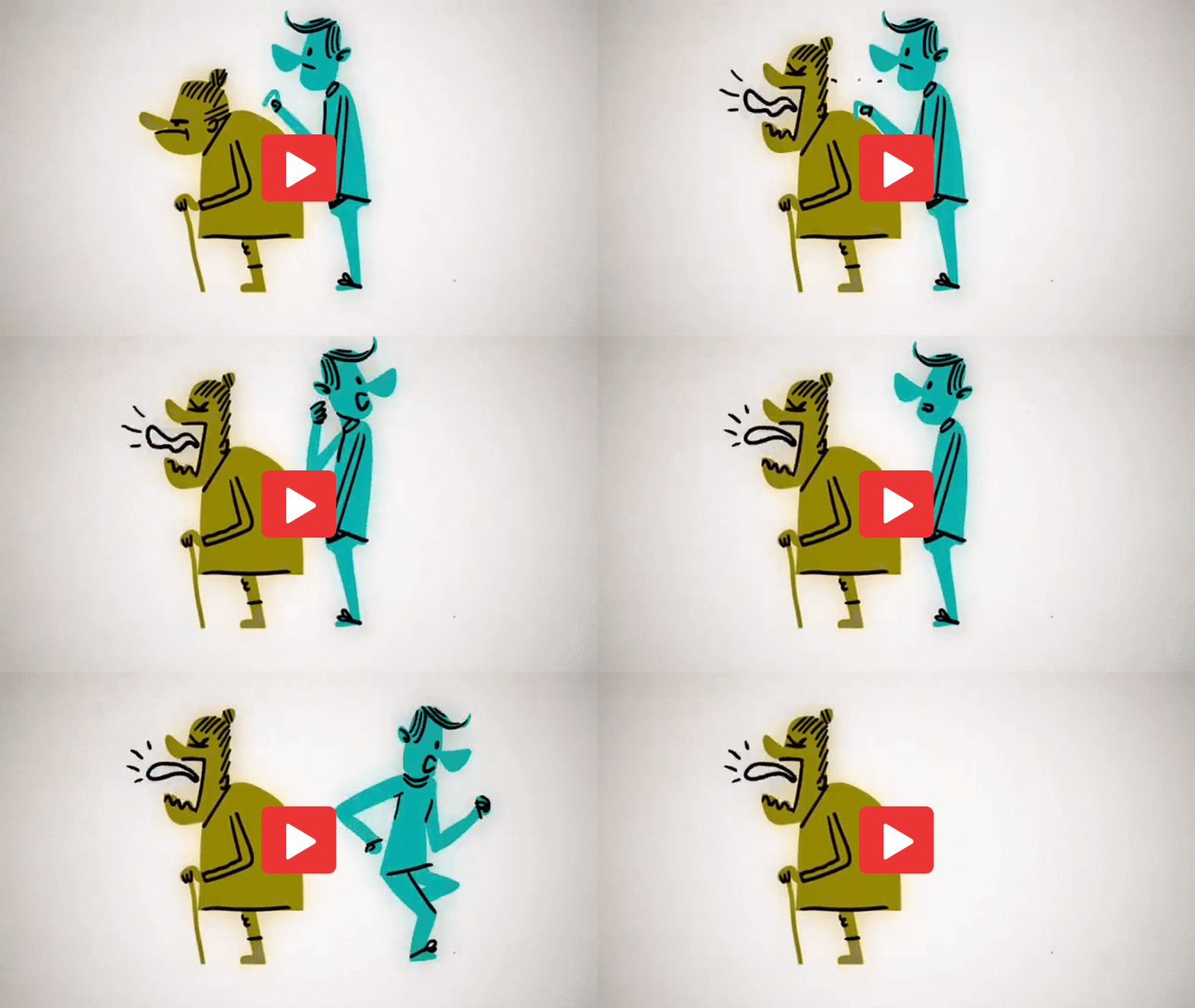
Solutions at EHC for Chronic Pain
Acupuncture
Acupuncture can effectively manage chronic pain by stimulating nerves, releasing endorphins, and improving blood flow. It helps reduce inflammation, relieve muscle tension, and modulate pain signals, leading to decreased discomfort and improved function. Widely used for conditions like back pain, osteoarthritis, and migraines, acupuncture is a safe, non-invasive option that complements other treatments.
Ozone Injections
Ozone injections are a minimally invasive treatment for chronic pain, especially in conditions like degenerative disc disease and joint issues. They work by reducing inflammation, improving oxygen metabolism, and promoting tissue repair. Ozone’s antioxidant properties help alleviate pain and accelerate healing, offering an alternative to opioids and surgery. This therapy can improve mobility, decrease pain intensity, and enhance quality of life with fewer side effects.
Peri-Neuro Injections
Peri-neuro injections with dextrose stimulate healing around nerves by promoting tissue repair and reducing inflammation. The dextrose acts as an irritant, triggering the body’s natural healing response. This can alleviate chronic neurological pain caused by nerve irritation or entrapment, improving nerve function and reducing discomfort. These injections are minimally invasive and tailored to individual needs, often providing lasting pain relief.
Wharton’s Jelly Injections
Wharton’s jelly injections, derived from umbilical cord tissue, contain stem cells and bioactive compounds that promote tissue repair and reduce inflammation. They may help heal damaged joints, ligaments, and cartilage, offering a regenerative approach for chronic pain and injury. These injections are minimally invasive and can improve mobility, decrease pain, and support tissue regeneration.
Low Dose Naltrexone Prescription
Low-dose naltrexone (LDN) can help with chronic pain by modulating the immune system and reducing inflammation. It temporarily blocks opioid receptors, which prompts the body to produce endorphins and enkephalins, natural pain-relieving compounds. This boost in endogenous opioids can decrease pain, especially in conditions like fibromyalgia, multiple sclerosis, and chronic fatigue syndrome. LDN is generally well-tolerated and offers a promising, non-addictive option for managing persistent pain.
Call the office to book your appointment or use the link below to access our online calendar.
Read More

Hispanic Heritage Month
Many Hispanic Americans can trace their roots back to the cultures of the Americas’ indigenous peoples, including the Aztecs (Mexico), Arawaks(Puerto Rico), Aztecs (Mexico), Incas (South America), Maya (Central America) and Tainos (in Cuba and Puerto Rico).
Some of their roots can be traced back to the Spanish explorers, who set out in the 1400s to find a cheaper and easier way to trade with the Indies. Others Latinos can trace their roots back to African slaves brought to the New World.
Hispanic Americans are today identified by the countries from which they or their ancestors originated. This includes Mexico, Puerto Rico and Spain.
This observation began in 1968 under President Lyndon Johnson as Hispanic Heritage Week. President Ronald Reagan expanded it in 1988 to include a 30-day period that started on September 15th and ended on October 15. The Public Law 100-402 approved it and it was made law on August 17, 1988.
The United States Statutes at Large, which are widely accessible through federal libraries, contains the public laws that have been designated as a week and then a months for National Hispanic Heritage.
Read More
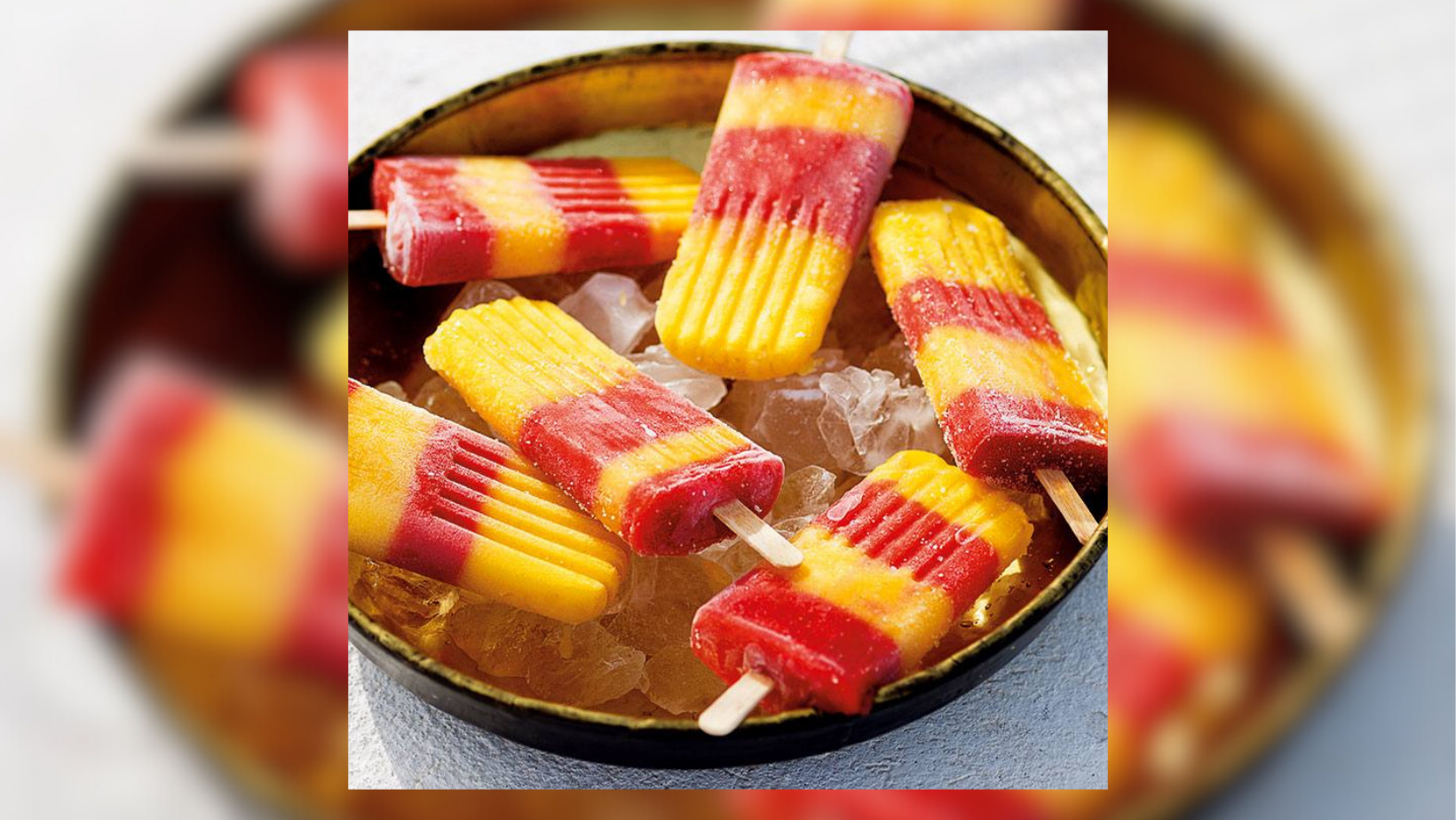
Mango Raspberry Ice Pops
These are based on the popular Latin American treats known as paletas. Make these the night before to give them time to freeze solid.
Ingredients
- 1 cup sugar
- 1 ½ cups frozen mango chunks
- 1 ½ cups frozen raspberries
Steps
Put the sugar and 1 cup water in a saucepan and bring to a boil, stirring until sugar is dissolved, about 5 min total. Remove from heat and allow to cool for 30 min.
Place the mango in a food processor with half the sugar syrup. Pulse until a smooth puree is formed and set aside. Rinse the processor. Blend raspberries with the remaining sugar syrup until a purée is formed.
Layer the mango and raspberry purées in popsicle molds or cups. Place popsicle sticks in the center and freeze at least 8 hours.
Read More