
Happy February !
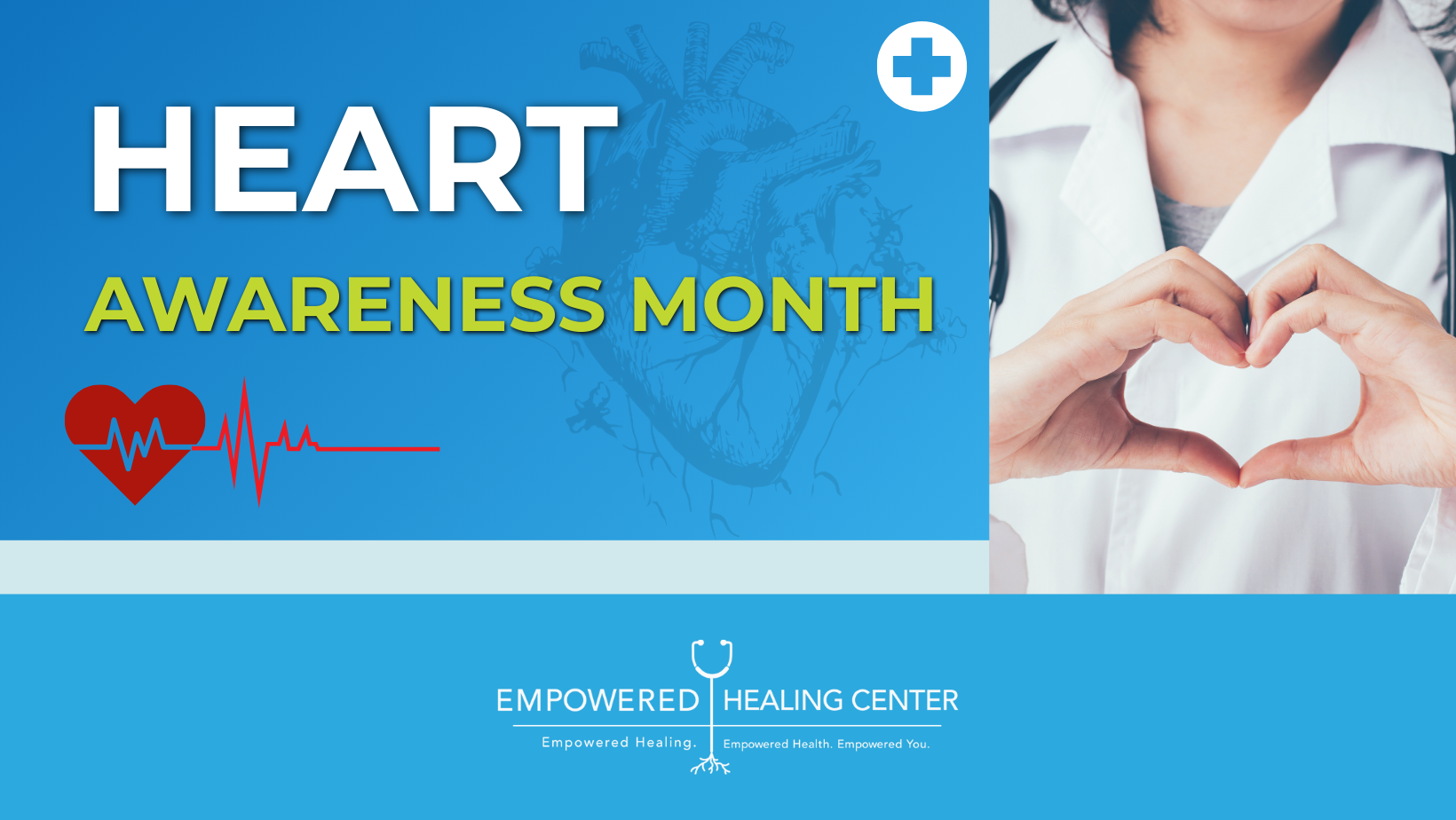
Heart Awareness Month
February is American Heart Month, a dedicated time to raise awareness about cardiovascular diseases—the leading cause of death in the U.S. and worldwide. The initiative encourages adopting heart-healthy habits, such as eating a balanced diet, regular exercise, and smoking cessation, which can prevent roughly 80% of cardiovascular deaths. Key activities include wearing red on National Wear Red Day to promote women’s heart health.
Key Aspects of Heart Month:
- Significance: February is recognized as a time to focus on cardiovascular health for both adults and children.
- Go Red for Women: A major focus is reducing heart disease in women, often highlighted by wearing red on the first Friday in February.
- Prevention & Action: The initiative highlights that lifestyle changes can prevent up to 80% of cardiovascular deaths.
- Key Health Metrics: Awareness is raised about knowing your numbers, including blood pressure and cholesterol.
How to Get Involved:
- Wear Red: Support National Wear Red Day on February 6, 2026.
- Get Active: Participate in activities that promote heart-healthy living, such as walking or exercise.
- Spread Knowledge: Use resources from the CDC and National Heart, Lung, and Blood Institute (NHLBI) to share information about heart disease prevention.
- Healthy Choices: Focus on eating a diet lower in sodium and healthier for your heart.
Read More

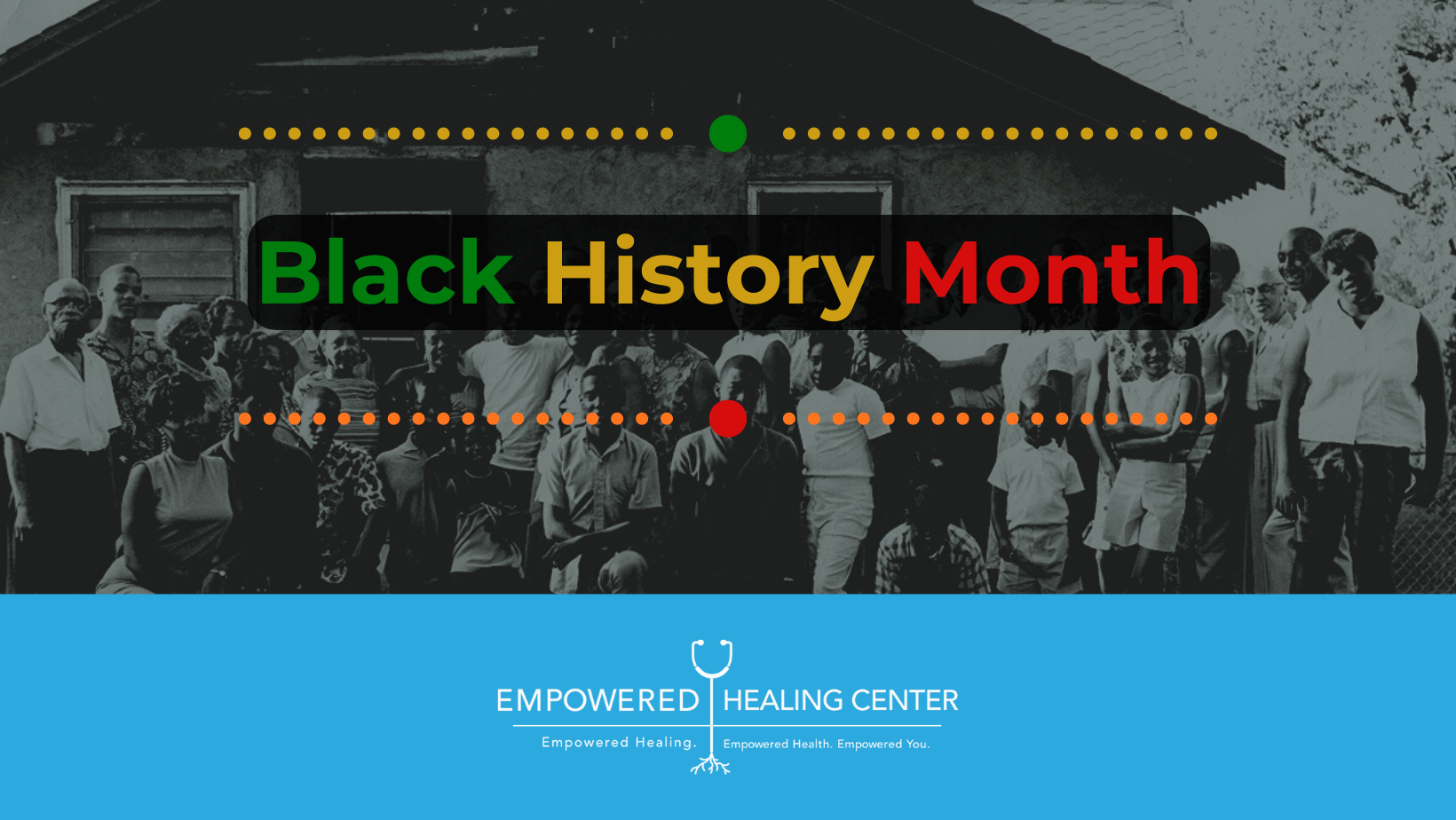
Black History Month
Black History Month is an annual observance dedicated to celebrating the achievements, history, and cultural heritage of people of the African diaspora. While primarily observed in February in the United States and Canada, it is also celebrated in the United Kingdom, Ireland, and the Netherlands during the month of October.
Theme for 2026
The official theme for Black History Month 2026 is “A Century of Black History Commemorations”. This theme honors the 100th anniversary of the founding of Negro History Week in 1926, the precursor to today’s month-long celebration. It also aligns with the 250th anniversary of United States independence (the Semiquincentennial), highlighting the essential role Black history plays in the American narrative.
History and Origins
- Founder: Known as the “Father of Black History,” historian Carter G. Woodson established Negro History Week in 1926.
- Why February? Woodson chose the second week of February to coincide with the birthdays of Abraham Lincoln (February 12) and Frederick Douglass (February 14), two figures central to the history of Black Americans.
- Evolution to a Month: The observance expanded to a full month on many college campuses in the late 1960s, notably at Kent State University in 1970.
- Official Recognition: In 1976, President Gerald Ford officially recognized Black History Month during the U.S. Bicentennial, urging Americans to “honor the too-often neglected accomplishments of Black Americans”. It was formally established as a federal observance by Congress in 1986.
Read More


Green Power Smoothie
Ingredients
- 80 g frozen sliced banana (see tips)
- 125 g chopped fresh pineapple
- 40 g baby spinach
- 30 g raw cashews
- 1 tablespoon fresh mint leaves
- ½ cup cold water
Method
Step 1
Process all ingredients in a high-powered blender until smooth.
Step 2
Pour into a serving glass.
Tips
- For 80 g frozen banana, peel and slice 1 small (100 g) banana. Place in a container or snap-lock bag and freeze overnight.
- Freezing bananas is a great way to make use of excess ripe fruit. Peel, slice and keep in the freezer for up to 2 months. Blend frozen banana with other ingredients for an icy cold, thick, creamy smoothie.