
Happy March !
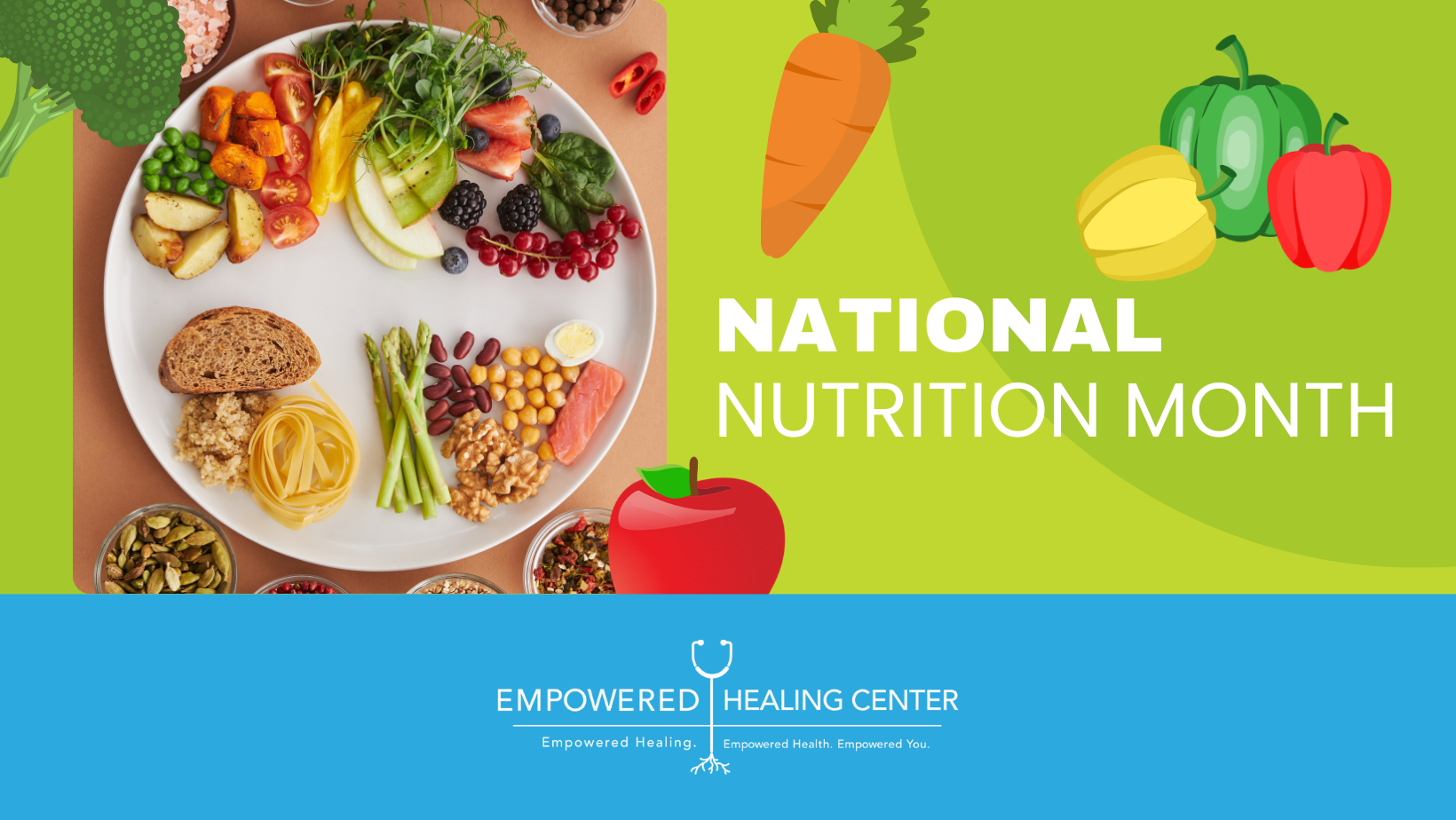
National Nutrition Month
National Nutrition Month is an annual nutrition education and information campaign held every March, sponsored by the Academy of Nutrition and Dietetics. It began in 1973 as National Nutrition Week and expanded to a month-long observance in 1980. The campaign focuses on promoting informed food choices, developing healthy eating habits, and encouraging physical activity.
The 2026 campaign theme is “Discover the Power of Nutrition.” Nutrition has the power to help individuals and communities thrive. Discover how food and beverage choices can help power your day. Learn tips for accessing healthy foods in your area. And build healthy habits into your day to help you feel great now and in the future.
Nutrition is the biochemical process of consuming, absorbing, and utilizing nutrients from food to support life, growth, and bodily functions. It involves balancing macronutrients (carbohydrates, proteins, fats) for energy and micronutrients (vitamins, minerals) for health. A balanced diet, rich in whole foods and low in processed items, prevents chronic diseases and boosts immunity.
Key Aspects of Nutrition:
- Macronutrients: Essential for energy and structure.
- Carbohydrates: Primary energy source ().
- Proteins: Build and repair tissues ().
- Fats: Necessary for energy and cellular health ().
- Micronutrients: Vitamins and minerals needed in small amounts to support metabolism, bone health, and immune function (e.g., Calcium, Iron, Potassium).
- Hydration: Water is crucial for bodily functions. National Institute of Environmental Health Sciences (.gov) +4
Components of a Healthy Diet:
- Vegetables and Fruits: High variety, excluding potatoes.
- Whole Grains: Brown rice, whole-wheat bread, and pasta.
- Healthy Proteins: Fish, poultry, beans, and nuts.
- Healthy Oils: Olive or canola oil.
- Avoid: Sugar-sweetened beverages, trans fats, and processed foods.
Importance of Nutrition:
Good nutrition enhances immune systems, supports safe pregnancy, reduces the risk of non-communicable diseases (e.g., diabetes, heart disease), and increases longevity. Poor nutrition can lead to malnutrition, including undernutrition (wasting) or obesity.
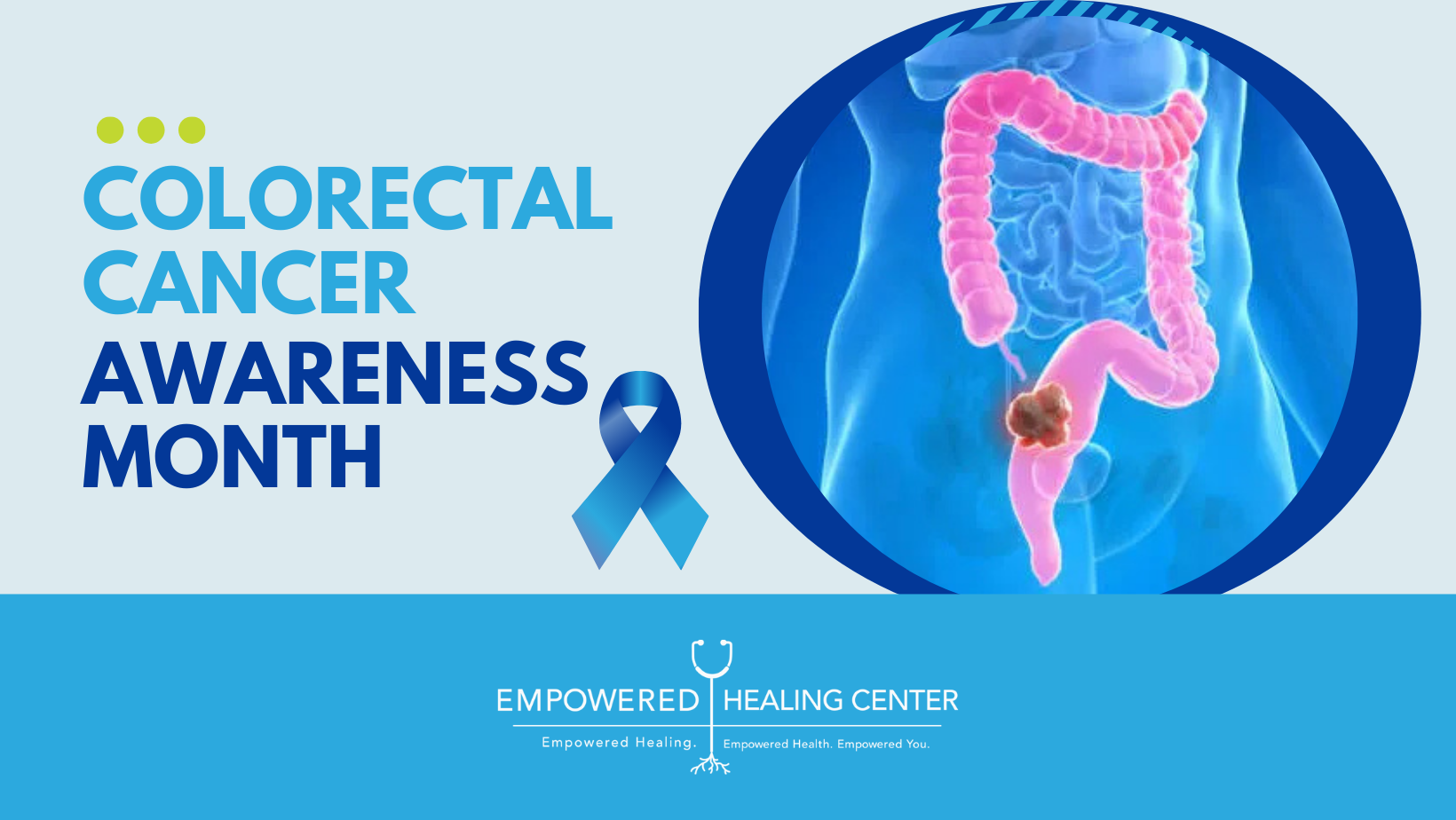
Colorectal Cancer Awareness Month
March is National Colorectal Cancer Awareness Month, designated to promote screening, honor survivors, and educate the public on preventing the second deadliest cancer in the US. It emphasizes that, while common, colorectal cancer is highly treatable and often preventable through early detection, typically recommended for adults over 45.
Key aspects of the awareness month include:
- Colorectal cancer is the second leading cause of cancer-related deaths in the U.S., but it is largely preventable through screening.
- The American Cancer Society recommends starting screening at age 45 for people at average risk, following updated guidelines due to rising rates in younger adults.
- Screening can detect precancerous polyps and early-stage cancer, with a five-year survival rate of 91.5% when localized.
- The incidence of early-onset colorectal cancer (under age 50) has increased by over 131% since 1994, prompting greater focus on younger populations.
Why Awareness Matters
- It’s Highly Preventable: Screening can find and remove precancerous polyps before they turn into cancer.
- Rising Rates in Youth: While rates are dropping in older adults, colorectal cancer has more than doubled in people under 50 since the 1990s.
- New Screening Age: Due to the rise in early-onset cases, the American Cancer Society. now recommends that regular screening for average-risk adults begin at age 45.
- Survival Rates: When detected early (localized stage), the 5-year survival rate is approximately 91.5%.
Spring Fling Vegetable Chowder
Ingredients
- 1 Tablespoon vegetable oil
- 1 small onion, chopped
- 2 cups chopped asparagus, fresh or frozen
- 1 large potato, peeled and diced
- 3 cups low-sodium broth (any type) or water
- 1 can (15 ounces) cream-style corn
- 1 cup peas, frozen or canned and drained
- 1/2 teaspoon salt (optional)
- 1/2 teaspoon pepper (optional)
- 1/2 cup grated cheddar cheese
Directions
- Heat oil in large pot over medium heat (300 °F in an electric skillet). Sauté onion, asparagus and potato until soft, about 10 minutes.
- Add broth and corn. Cover and simmer until potato is tender, about 10 minutes.
- Add peas, salt and pepper, if desired, and simmer 2 to 3 more minutes.
- Top with cheese and serve warm.
Notes:
- Broth can be canned or made using bouillon. For each cup of broth use 1 cup very hot water and 1 teaspoon or 1 cube bouillon.
- Leave skin on potato for added fiber.
- Try using fresh or frozen broccoli instead of asparagus.
- Try using canned green beans or diced tomatoes instead of peas.
READ MORE